In the demanding world of health care, where emotional burdens can be just as heavy as physical fatigue, the question often arises, “Who takes care of the caregivers?” For medical professionals in Cáceres, Spain, the Peace Education Program has provided an answer, offering them a space for self-reflection, stress relief and personal growth.
Health care workers face immense pressure, not just from their workload but also from the emotional toll of caring for patients. While technical expertise is crucial, the non-technical aspects of the profession—such as empathy, teamwork and human connection—are equally critical. The Peace Education Program has proven to be a valuable tool in helping health care professionals reconnect with these essential skills, ultimately enhancing both their own wellbeing and that of their patients.
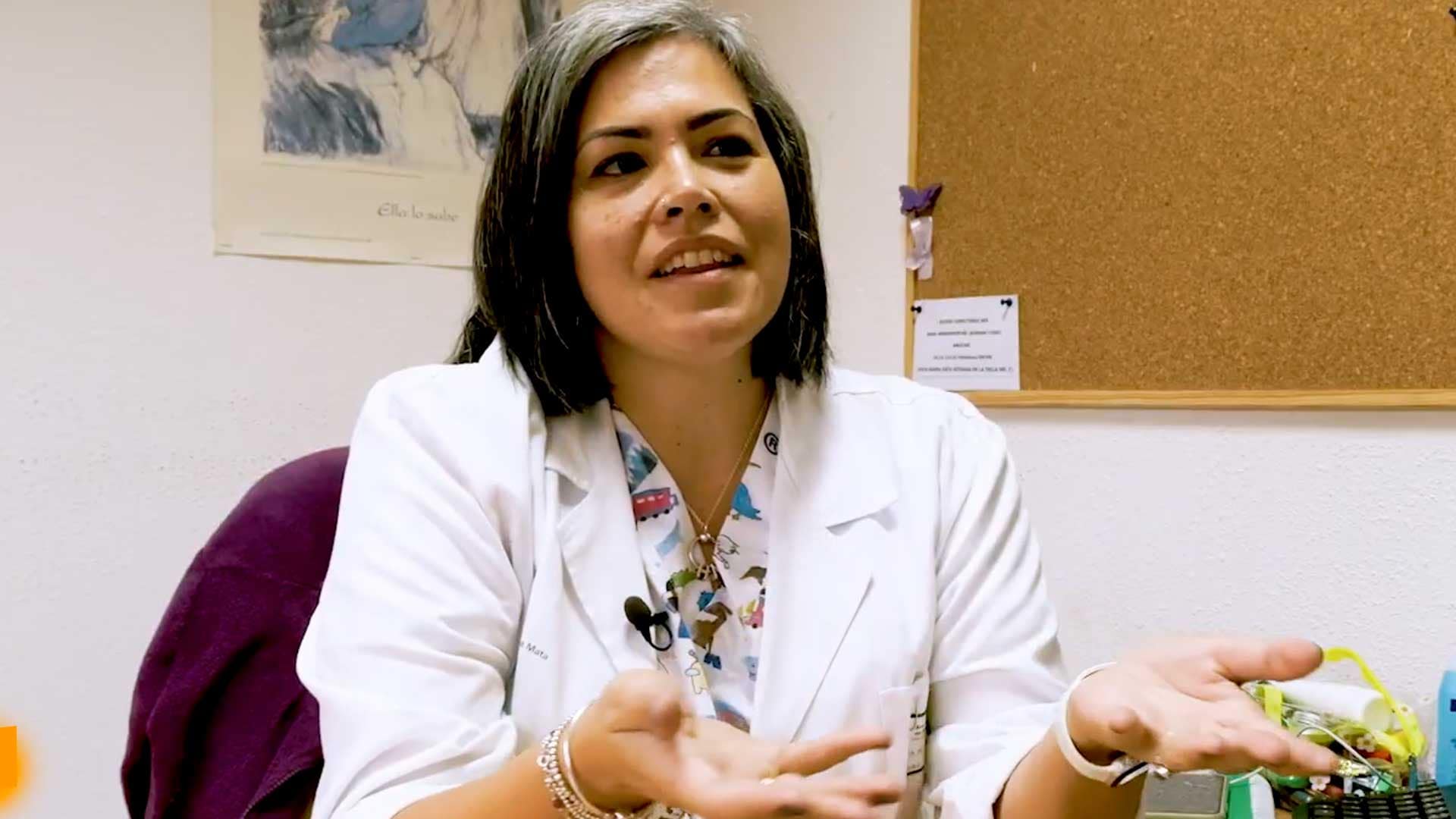
This video shows how the Peace Education Program benefited caregivers at Hospital Campo Arañuelo in Cáceres, Spain

Initially, some staff members in Cáceres were skeptical about the program. One participant admitted to being reluctant, questioning what a peace education course could offer. However, after giving it a chance, they found themselves fully engaged, internalizing its lessons and making it a priority in their weekly routine. The program became an “hour of peace” – a rare opportunity to step back, reflect and regain a sense of balance.
Participants particularly appreciated the structure of the program, which allowed them to relax and absorb meaningful messages without additional external pressure. The program’s focus on self-awareness and inner peace resonated deeply, reinforcing the idea that when health care workers are at peace with themselves, they can better care for their patients.

The impact of the Peace Education Program extends beyond individual wellbeing—it strengthens entire healthcare teams. Effective communication, mutual understanding and emotional resilience are even more important in the post-pandemic landscape, where burnout and stress are widespread among medical professionals. By providing health care workers with the tools to manage their emotions and find inner peace, the program helps improve teamwork and, ultimately, patient outcomes.
One of the most powerful takeaways from the program is the realization that peace is not an abstract concept but something tangible and personal. As one participant said, “Peace is possible, and I am probably a very important actor for that peace to be achieved.” This recognition has profound implications, not only for health care professionals but for the entire field of medicine, where compassionate care can make all the difference.
By fostering self-awareness, emotional resilience and a renewed sense of purpose, the Peace Education Program is helping health care workers in Spain rediscover the human side of medicine. In doing so, it is not only benefiting those who provide care but also those who receive it.