The Peace Education Program is now reaching people in central Mozambique, where histories of conflict, forced displacement and poverty have created enduring difficult conditions for communities.
Sofala Province in central Mozambique was once the epicenter of the country’s sixteen-year-long civil war, which ended in 1992. Communities here face conditions of extreme poverty. The Muanza and Cheringoma districts are among the poorest areas of Mozambique, which is consistently ranked as one of the poorest countries in the world. Throughout the Sofala Province, hundreds of thousands of people experience the effects of conflict’s legacies, losses of livelihoods and ongoing instability. The area is severely under-resourced, with limited access to education and social services.
It was in this context that one community member, Costumo José Luis, first learned about The Prem Rawat Foundation (TPRF). While searching online for peace-related programs, he discovered TPRF’s Peace Education Program. The Peace Education Program is a personal development workshop series that is both non-political and non-sectarian. The program introduces ten themes aimed at bolstering emotional wellbeing and personal peace: Peace, Appreciation, Inner Strength, Self-Awareness, Clarity, Understanding, Dignity, Choice, Hope and Contentment.
Costumo immediately enrolled in the course and believed it would benefit his community in Central Mozambique. He applied both to become a facilitator and licensee to implement the program in his community.
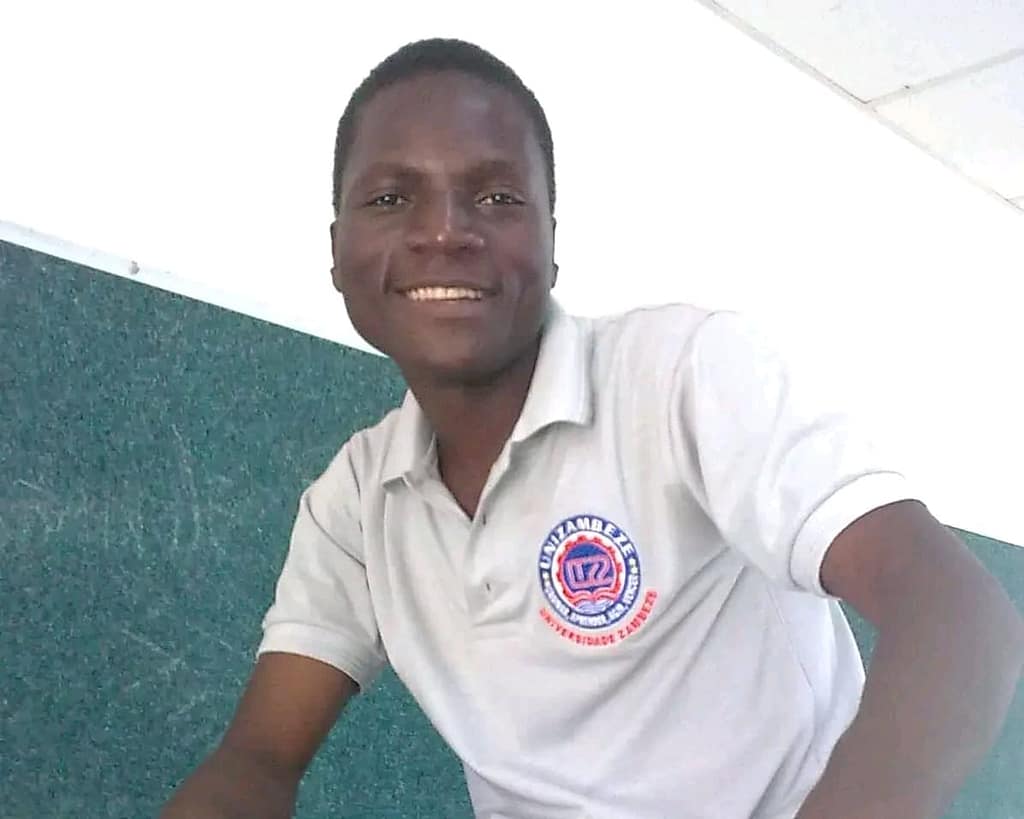
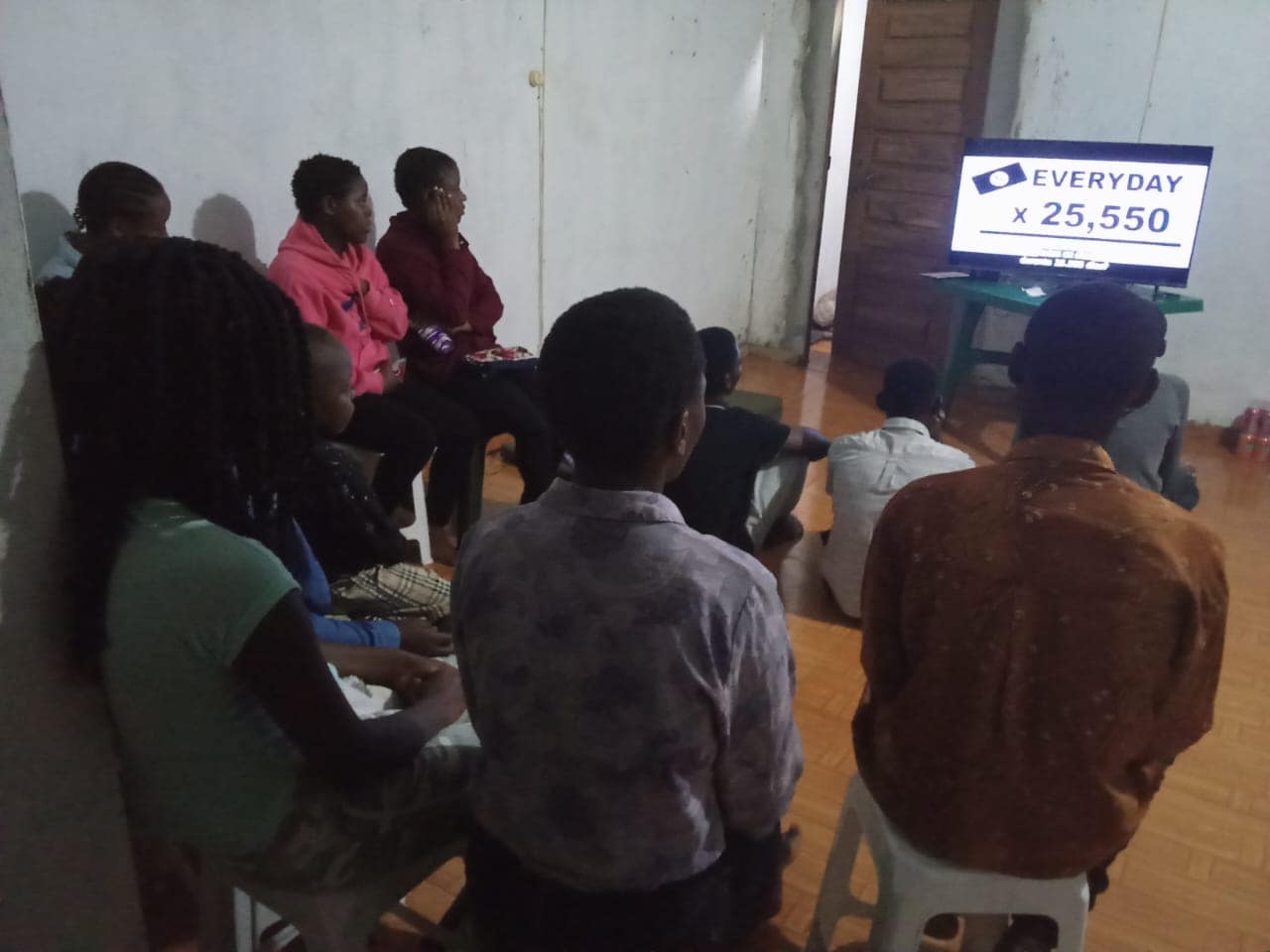
Supported by a microgrant provided by TPRF, Costumo has been able to implement the program in Central Mozambique, across villages in the Cheringoma, Muanza and Gorongosa districts, as well as in Nhangau located in the urban center of Beira, one of Mozambique’s largest coastal cities. Previously, limited equipment access restricted where the program could be delivered, but with TPRF support, Costumo is now able to ensure multiple communities can run the courses simultaneously.
Costumo has valued bringing the program to these communities due to their history of extreme poverty and under-investment. The program has already been delivered to older students, school staff, community adults and individuals experiencing homelessness. While economic development and humanitarian aid programs often focus on material resources and skillsbuilding, the Peace Education Program provides an opportunity for individuals to look within themselves.
According to Costumo, participants have reported reduced anxiety, improved problem-solving abilities and a stronger sense of agency to choose for themselves. In some cases, individuals who previously struggled with severe mental health problems, including feeling hopelessness, also experienced an internal change, he reports.
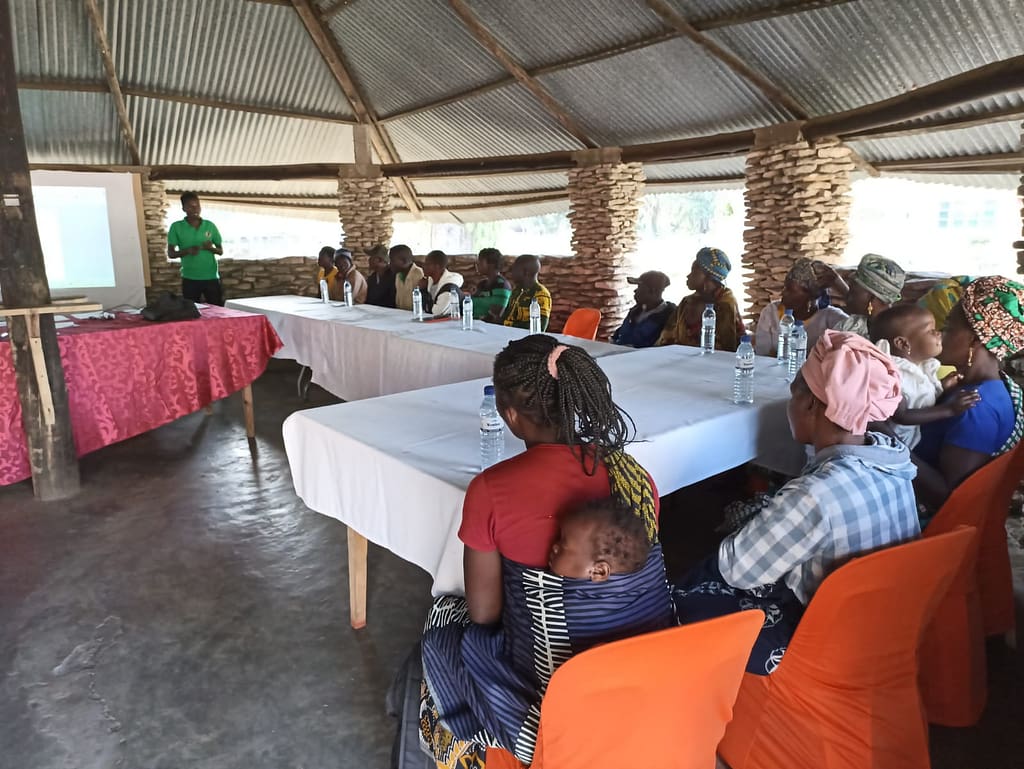
In the future, Costumo aims to bring the Peace Education Program to nongovernment organizations in the province, as well as to teachers, government staff and medical professionals working in hard-to-reach areas. In the context of Mozambique’s history of war and devastation, investing in peace education is crucial to foster emotional resilience and healing. To face daily challenges and create sustainable change, communities need practical skills for decision-making, conflict resolution and self-awareness, and the Peace Education Program offers an opportunity to begin that journey by helping participants get in touch with themselves.